
DIVE INTO
FUTURES
TRADING
Introducing Futures Trading
Welcome to Trade Light Pro. Trade Light Pro provides futures trading education designed to help traders better understand market structure, price action, technical analysis, and disciplined trade execution. My approach focuses on developing a repeatable methodology that traders can learn and apply independently across various trading instruments.
Futures trading can be challenging, and my goal is to make the learning process more structured and understandable. Educational coaching focuses on developing chart-reading skills, recognizing trading setups, managing risk, and building greater consistency in the decision-making process.
Discover a more disciplined approach to futures trading with Trade Light—where education, structure, and independent decision-making come together.
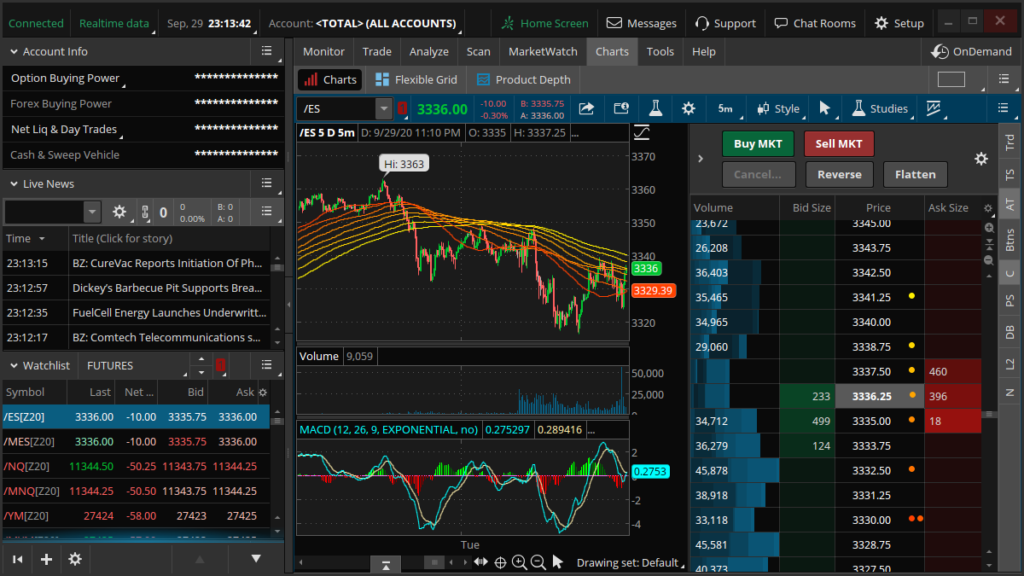
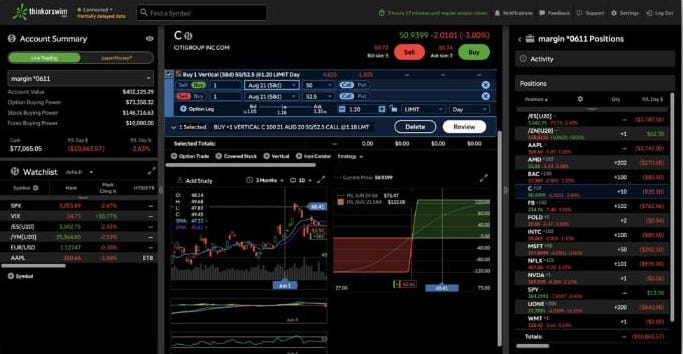
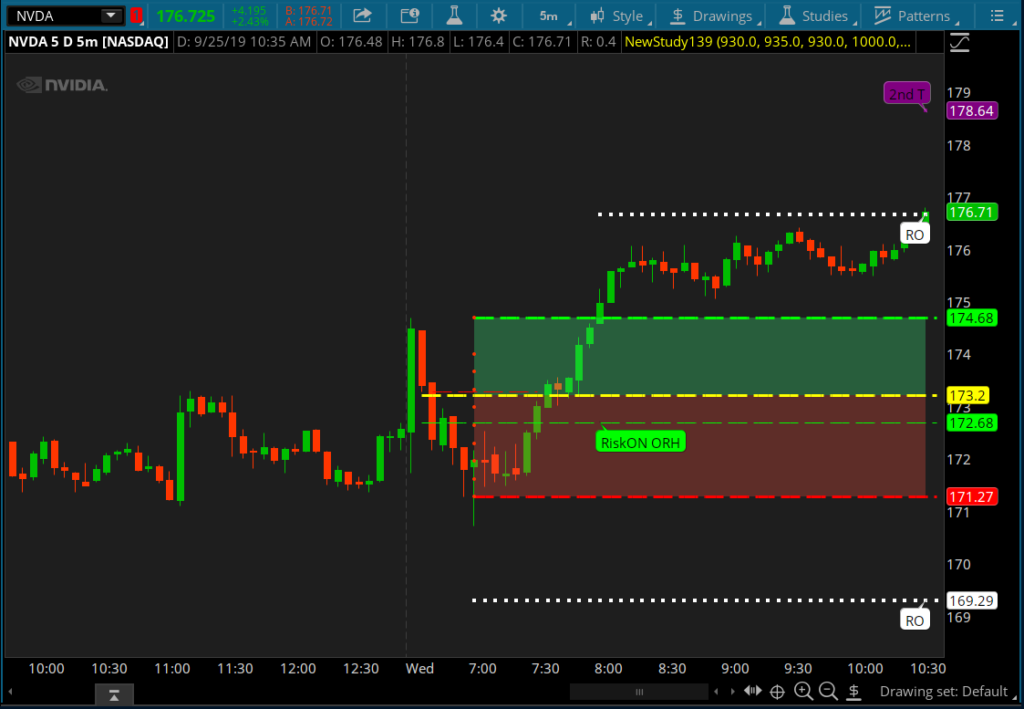
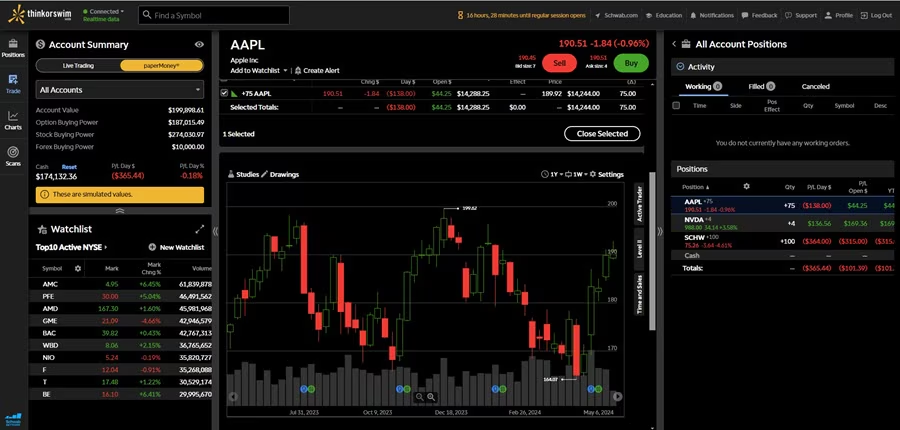
SEE THE TRADELIGHT METHOD IN ACTION
The same process can be applied across markets and timeframes.
What You Get as a Client
Trade Light offers a structured educational approach to learning futures trading. The three-phase program builds foundational knowledge and provides hands-on practice designed to help you understand the markets and develop your own trading process.
Phase 1: Foundation
In this foundational phase, you’ll learn how to set up and navigate a trading platform, explore commonly used trading software, and understand the tools and terminology involved in futures trading. You’ll also learn core technical-analysis concepts, including:
- Identifying and using different chart timeframes
- Recognizing candlestick patterns and price behavior
- Identifying important market levels and support/resistance zones
- Understanding breakouts, trends, and market structure
- Learning the role of targets, stops, and risk management
This phase establishes the foundational knowledge and tools you’ll use as you develop your own trading process.
Phase 2: Application
In this application phase, we focus on applying foundational concepts by analyzing historical charts and developing your trading process. You’ll practice interpreting market structure, evaluating potential setups, and making independent trading decisions using historical market data. During this phase, you’ll:
- Study a wide range of examples to recognize recurring market patterns
- Practice trading scenarios using historical market data
- Learn risk-management concepts and the use of stop losses and targets
- Develop your ability to evaluate market direction and potential scenarios
- Test your analysis by forming a market thesis to reveal price action
This phase is designed to help you develop a more structured and disciplined decision-making process before progressing to real-time market observation.
Phase 3: Execution
In this phase, we move from historical examples to observing and analyzing markets in real time. You’ll apply the concepts and methodology learned in the earlier phases while developing your ability to independently evaluate changing market conditions. During this phase, you’ll:
- Analyze market structure and potential setups in real time
- Apply the methodology you’ve learned to current market conditions
- Practice identifying entries, risk parameters, targets, and support levels
- Discuss educational concepts behind different market scenarios
- Develop greater consistency in your own decision-making process
The objective of this phase is to bridge the gap between historical study and real-time market analysis while reinforcing independent trading decisions and risk management.
With Trade Light, you’re not simply studying futures trading—you’re developing a structured methodology and the skills to analyze markets and make your own trading decisions.
Cale Mitchell
Founder & President

Privacy Policy | Terms of Service
| Risk Disclosure
© Copyright 2026. All rights reserved.
Trade Light Pro provides educational services only. Content and coaching are not individualized investment or trading advice. Trade Light Pro does not manage student or customer accounts, exercise trading authority over student or customer funds, or execute trades on behalf of others. Futures trading involves substantial risk of loss.